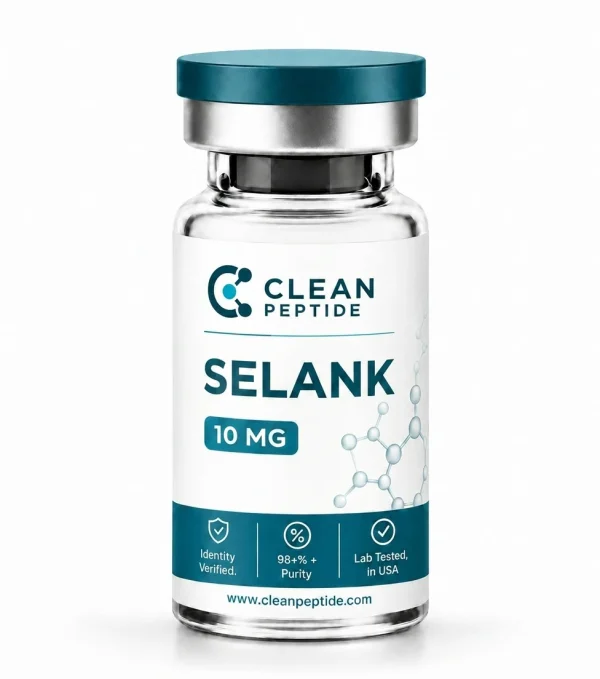
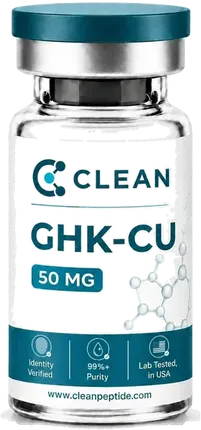
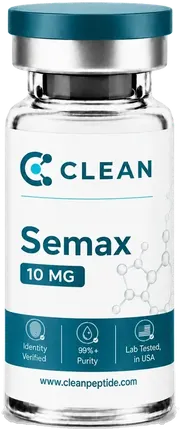
Good documentation and careful packing
The batch information was easy to verify and the items were packed securely. The outer box had a small dent, but the contents were unaffected. It was a smooth experience for a research-supply order.
Good experience from order to delivery – GHK-Cu
The GHK-Cu vial was labeled clearly and arrived protected. I had to click around briefly to find the batch certificate, but once there the information was easy to read. Overall, the receiving process was easy to document.
Batch details were easy to verify – CJC-1295
CJC-1295 arrived with a clear batch number, and finding the matching certificate was straightforward. The vial label was clean and easy to read. That level of organization is useful when cataloging incoming materials.
Good delivery experience
The parcel arrived safely and the contents were organized. Shipping communication was adequate, though an extra dispatch-status update would make it even better. The focus on traceability was noticeable throughout the process.
Professional from checkout to delivery
The ordering flow was clean, shipping updates were useful, and the parcel arrived in good condition. The batch-first documentation approach makes the catalog easy to evaluate. The focus on traceability was noticeable throughout the process.
Good support and clear answers
I asked a documentation question and received a clear response. The only improvement I would suggest is making the relevant policy links more prominent on product pages. The presentation made routine recordkeeping simple.
Simple catalog with useful batch docs
The catalog is easy to scan and the product pages put the batch documentation front and center. That makes comparing items much less confusing. The focus on traceability was noticeable throughout the process.
Good attention to batch traceability – SS-31
I appreciated how easy it was to trace the SS-31 batch from the label to the published certificate. The package arrived in good condition as well. The focus on traceability was noticeable throughout the process.
Clean labeling and documentation – IPA
The IPA label was sharp and the lot information was easy to match to the online documentation. Everything felt organized from order to delivery.
Good first impression of the brand
The site, order emails, packaging, and documentation all felt consistent. It came across as a research-supply brand focused on traceability rather than hype.
Batch details were easy to verify
5-Amino-1mq arrived with a clear batch number, and finding the matching certificate was straightforward. The vial label was clean and easy to read.
Good product presentation, slower tracking – GLP-1 S
GLP-1 S arrived safely and the batch information was clear, but the tracking status did not update as quickly as I expected. The actual packaging was fine. Overall, the receiving process was easy to document.